When does Landscaping season start?

October 10, 2022

It is difficult to pinpoint exactly when the season for landscaping begins; however, the time of year when most people begin to think about it is when the temperature begins to rise in the spring. That equates for many people to the end of March or the beginning of April. When this happens, the snow will begin to melt, and the days will start getting longer. It is also a right time to try considering getting your yard ready for the summertime activities that it will host.

The period of time during which landscaping is most likely to be carried out successfully and yield the desired outcomes is referred to as the "landscaping season."


Why is it essential to select the appropriate landscaping season to start?


It is extremely vital to do the correct things at the appropriate time. If you are not completing the landscaping at the proper season then it will cost you a tremendous monetary loss, labor, and time. In every season, maintenance and measures to be undertaken for
landscaping is unique for each season.


Landscaping season


The fall season is the perfect time to wind things up, put away any apparatus used for pond care, and get ready for the colder, drier winter months. This enables you to start making preparations for the next fall, winter, and summer seasons as soon as spring arrives. Then, as spring progresses, you will be able to make some little adjustments to your plants and grass. The beginning of spring is the best time to grow flowers and other types of plants. Before you can begin, you need to make sure that the freeze-thaw cycle that occurs over the winter hasn't driven any plants out of the ground.


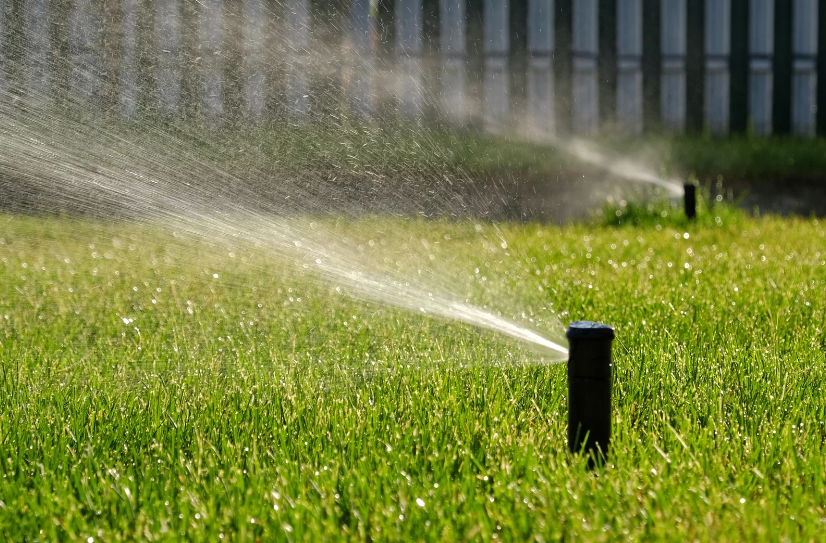
The spring is also the time to make preparations for the sweltering heat of the summer. Depending on the kinds of plants that you have, your trees, grass, and shrubs will all require soil that is capable of keeping water. The warm weather of summer makes it easy for water to evaporate or be lost to outflow.


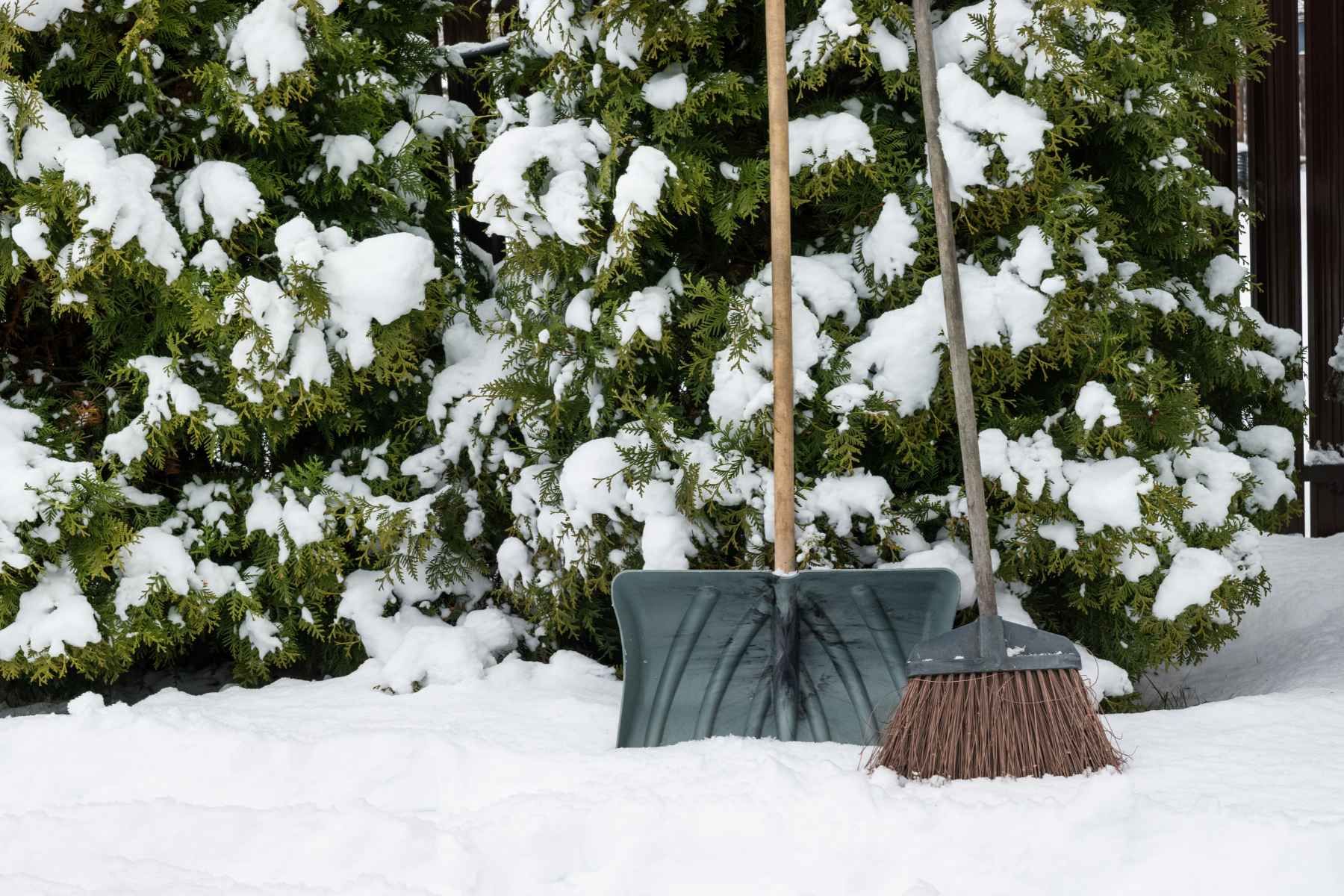
The most difficult season for the landscape to maintain is winter. Taking additional precautions throughout the winter is very vital if you do not want your garden and landscaping to be completely destroyed.


Even if it's chilly outside, you shouldn't neglect your yard or landscaping just because the weather is chilly. The winter months are an ideal time to make plans for and perform maintenance on certain aspects of your landscape.


The seasons you observe for your landscaping will fluctuate according to the sort of landscape you have. If you are the sort of customer that is just interested in gravel and yucca, then your landscaping season will be much shorter. On the other hand, if you like the serenity of the woods and the lushness of the vegetation within, you will need to give some thought and planning to your trees. Even though fall is a better season overall for landscaping, you really have to take additional precautions at this time of year.

You might also like
July 27, 2026
Protect Your Property with a Professionally Built Retaining Wall
February 12, 2026
Winter Yard Protection Tips for Milton Homeowners
April 1, 2024
With our picturesque landscapes and vibrant community, Milton is a city that takes pride in its green spaces. A lush, healthy lawn not only adds curb appeal to your home but also contributes to the overall beauty of your neighborhood and our city as a whole. To help you maintain a thriving lawn throughout the year, here are some seasonal care tips tailored specifically for Milton's climate and soil conditions. Spring: Preparing for Growth As the weather warms up and nature comes back to life, spring is the perfect time to kickstart your lawn care routine. Start by raking away any debris and thatch that may have accumulated over the winter months. Aeration is also beneficial during this time to alleviate soil compaction and promote better nutrient absorption. Once your lawn is prepped, it's time to overseed any bare or thin patches to encourage new growth and fill in gaps. Choose grass seed varieties that are well-suited to our climate, such as Kentucky bluegrass or perennial ryegrass. Fertilizing in the spring provides essential nutrients for grass growth and development. Look for a slow-release fertilizer with a balanced NPK ratio (nitrogen, phosphorus, and potassium) to promote steady, healthy growth without excessive flushes that can lead to mowing headaches. Summer: Hydration and Maintenance Summer can bring warm temperatures and occasional dry spells, making proper hydration essential for a thriving lawn. Deep, infrequent watering is preferable to frequent shallow watering as it encourages deep root growth and drought tolerance. Aim to water your lawn early in the morning to minimize evaporation and fungal diseases. Regular mowing is key to maintaining a healthy lawn during the summer months. Adjust your mower height to leave grass blades around 2.5 to 3 inches tall, which helps shade the soil, retain moisture, and prevent weed growth. Leave grass clippings on the lawn so that as they decompose they will return valuable nutrients to the soil. Keep an eye out for common summer lawn pests and diseases such as grubs, chinch bugs, and brown patch fungus. Early detection and intervention are crucial to preventing widespread damage to your lawn. Fall: Prep for Winter As temperatures begin to cool, it's time to prepare your lawn for the winter ahead. Continue regular mowing as needed, gradually lowering the mower height to around 2 inches for the final cut of the season. This helps prevent matting and snow mold during the winter months. Fall is also an ideal time for core aeration and overseeding to repair any damage accumulated over the summer and encourage strong root growth before winter sets in. Apply a fall fertilizer high in potassium to promote root development and winter hardiness. Winter: Minimal Maintenance While winter may bring snow and cold temperatures, there are still some maintenance tasks you can do to ensure your lawn's health come spring. Avoid walking on frozen grass to prevent compaction, and promptly remove any snow or ice buildup to prevent suffocation and disease. By following these seasonal lawn care tips, you can enjoy a lush, healthy lawn year-round that enhances the beauty of your home and contributes to the overall greenery of our city. Don't forget to reach out to your local lawn care experts with any questions you might have or to get a helping hand with any of these seasonal lawn care tasks. Happy lawn tending!

Get a free quote!

Contact Us