How Does a French Drain Work?

July 19, 2022

How Does a French Drain Work?

Your one stop blog on everything french drain: what it does, when you should get one, and how to get one.


What Does a French Drain do?

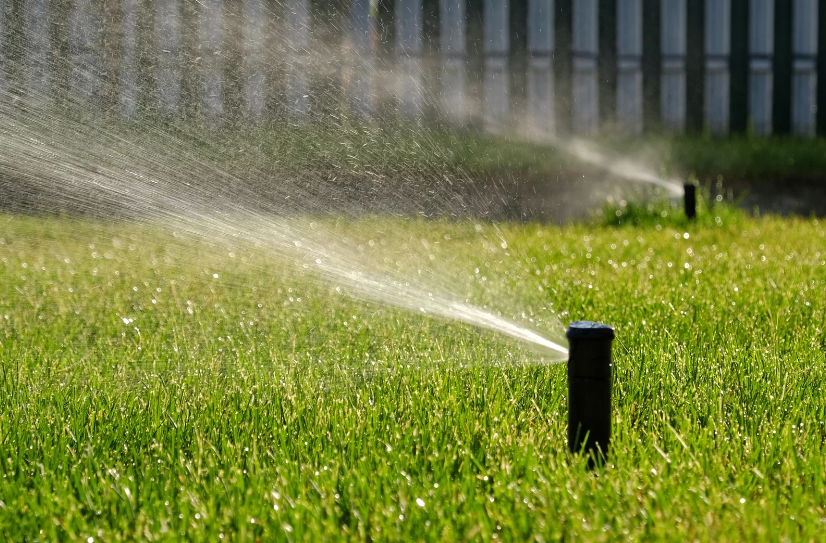
It’s basic physics, really. Thanks to gravity, wherever there is water, there is a flow. No matter what, water will always flow downhill; which, when you think about it, is the entire concept behind landscaping irrigation and drainage… but how does irrigation and drainage actually work? A common practice among landscaping professionals, like Milton Landscaping Turfpros, is carefully planning and implementing slightly sloped trenches into your landscaping design. By digging a trench with a slope, any standing water will be pulled away from your home… but what does any of this have to do with a french drain?


What is a French Drain?

Who wants to have a bare-naked, mud-filled trench openly exposed in their front lawn landscaping? Does that sound aesthetically pleasing to you? If the answer is no, then installing a french drain is the perfect solution. The main difference between a french drain and a trench is the classy style that a french drain offers. Instead of leaving the trench openly exposed, a french drain’s trench is typically filled with decorative round gravel rocks. With the addition of a pipe that’s gracefully placed within the landscaping, a french drain makes the flow of your lawn’s irrigation and drainage look entirely natural.


How French Drains Work

When there’s no clear direction for water to flow, you’re likely to experience an uneven water distribution across your lawn. This could look like your lawn not getting enough water, too much water, or experiencing prolonged standing water due to debris causing a blockage. A french drain, however, provides excess water with a place to flow. The implementation of the round rock gravel allows the rocks to filter out chunks of debris that are found within the water, such as branches and clumps of leaves or grass. By freeing the water of debris, and by providing the water with a definitive sloped path, the water can now flow naturally. Once the water has caught it's quite literal flow, any excess water will flow into a perforated pipe that’s located at the bottom of the trench


When to Use French Drain Systems

Aside from making your landscaping look fancy, the french drain actually serves a finite purpose: preventing your home from water damage. If your home has consistently experienced things like pooling water surfaces, retaining wall pressure, wall damage, flooding, or foundational damage - it may be time to consider installing a french drain. 


How Much Does a French Drain Cost?

While the cost of installing a french drain can vary by what your home’s needs are, the cost of installing a drain is not nearly going to be as expensive as the cost of repairs from water damage wreaking havoc on your home. Additionally, most landscaping professionals offer free consultations: it doesn’t cost anything extra to check. So if you live in the greater Milton, ON area and are experiencing the aforementioned issues, please do not hesitate to reach out to a local landscaping professional. This is where we, Milton Landscaping Turfpros, are happy to help.
You might also like

July 27, 2026
Protect Your Property with a Professionally Built Retaining Wall
February 12, 2026
Winter Yard Protection Tips for Milton Homeowners
April 1, 2024
With our picturesque landscapes and vibrant community, Milton is a city that takes pride in its green spaces. A lush, healthy lawn not only adds curb appeal to your home but also contributes to the overall beauty of your neighborhood and our city as a whole. To help you maintain a thriving lawn throughout the year, here are some seasonal care tips tailored specifically for Milton's climate and soil conditions. Spring: Preparing for Growth As the weather warms up and nature comes back to life, spring is the perfect time to kickstart your lawn care routine. Start by raking away any debris and thatch that may have accumulated over the winter months. Aeration is also beneficial during this time to alleviate soil compaction and promote better nutrient absorption. Once your lawn is prepped, it's time to overseed any bare or thin patches to encourage new growth and fill in gaps. Choose grass seed varieties that are well-suited to our climate, such as Kentucky bluegrass or perennial ryegrass. Fertilizing in the spring provides essential nutrients for grass growth and development. Look for a slow-release fertilizer with a balanced NPK ratio (nitrogen, phosphorus, and potassium) to promote steady, healthy growth without excessive flushes that can lead to mowing headaches. Summer: Hydration and Maintenance Summer can bring warm temperatures and occasional dry spells, making proper hydration essential for a thriving lawn. Deep, infrequent watering is preferable to frequent shallow watering as it encourages deep root growth and drought tolerance. Aim to water your lawn early in the morning to minimize evaporation and fungal diseases. Regular mowing is key to maintaining a healthy lawn during the summer months. Adjust your mower height to leave grass blades around 2.5 to 3 inches tall, which helps shade the soil, retain moisture, and prevent weed growth. Leave grass clippings on the lawn so that as they decompose they will return valuable nutrients to the soil. Keep an eye out for common summer lawn pests and diseases such as grubs, chinch bugs, and brown patch fungus. Early detection and intervention are crucial to preventing widespread damage to your lawn. Fall: Prep for Winter As temperatures begin to cool, it's time to prepare your lawn for the winter ahead. Continue regular mowing as needed, gradually lowering the mower height to around 2 inches for the final cut of the season. This helps prevent matting and snow mold during the winter months. Fall is also an ideal time for core aeration and overseeding to repair any damage accumulated over the summer and encourage strong root growth before winter sets in. Apply a fall fertilizer high in potassium to promote root development and winter hardiness. Winter: Minimal Maintenance While winter may bring snow and cold temperatures, there are still some maintenance tasks you can do to ensure your lawn's health come spring. Avoid walking on frozen grass to prevent compaction, and promptly remove any snow or ice buildup to prevent suffocation and disease. By following these seasonal lawn care tips, you can enjoy a lush, healthy lawn year-round that enhances the beauty of your home and contributes to the overall greenery of our city. Don't forget to reach out to your local lawn care experts with any questions you might have or to get a helping hand with any of these seasonal lawn care tasks. Happy lawn tending!

Get a free quote!

Contact Us