What Plants Do Well in Ontario?

June 1, 2023

Top Plant Choices for Ontario's Favorable Conditions

When it comes to growing a beautiful garden, either at your Ontario home or in front of your commercial property, it can be a difficult task.  The climate here is finicky, we have partial cloudy days most of the year, and it can be difficult to purchase plants that will thrive in these conditions. 


Many plants require extensive care because of this, and still others are prone to bugs, pests, and mold or rot.  So, we’ve compiled a list of plants that do well in the shade, with less sun as well as a list of native plants that are well adapted to the specialized Ontario Climate.  Don’t forget that if you have any questions or need help in your gardening adventure, the experts at Milton Landscaping Turfpro are always here to help. 


Ontario Plants That Do Well in The Shade


Ontario is in hardiness zones 1 to 6, the hardiness zone can give individuals who are interested in gardening a good idea of what types of plants do well in those areas.  Ontario has many days throughout the year that are partly cloudy, so any plant that needs 100% sun won’t survive. 


If you’re looking for a simple and easy way to create a beautiful landscape with flowers that work well with our weather and climate conditions then these are sure to do the trick.  The following plants do well in our hardiness zone:

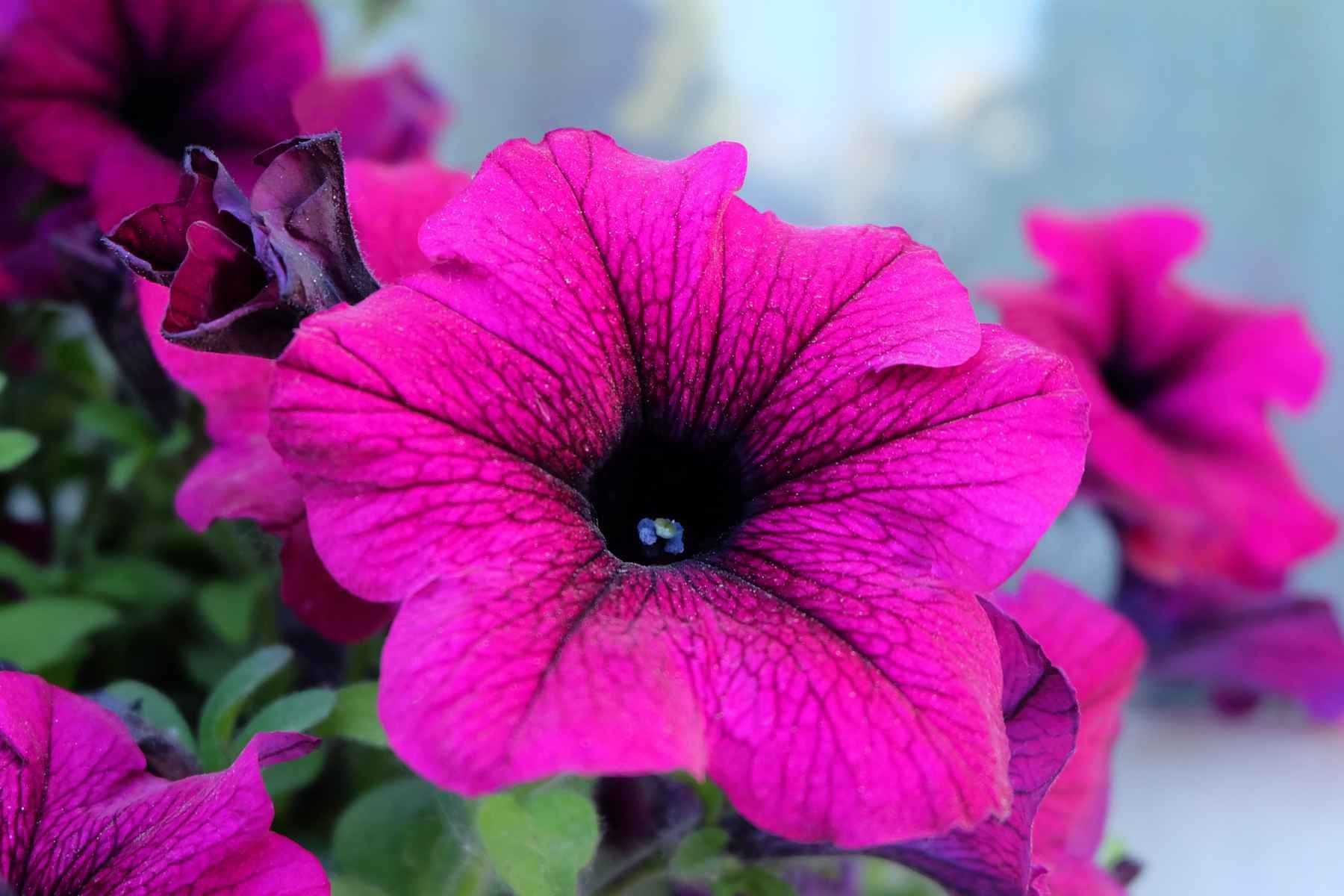
  • Petunias
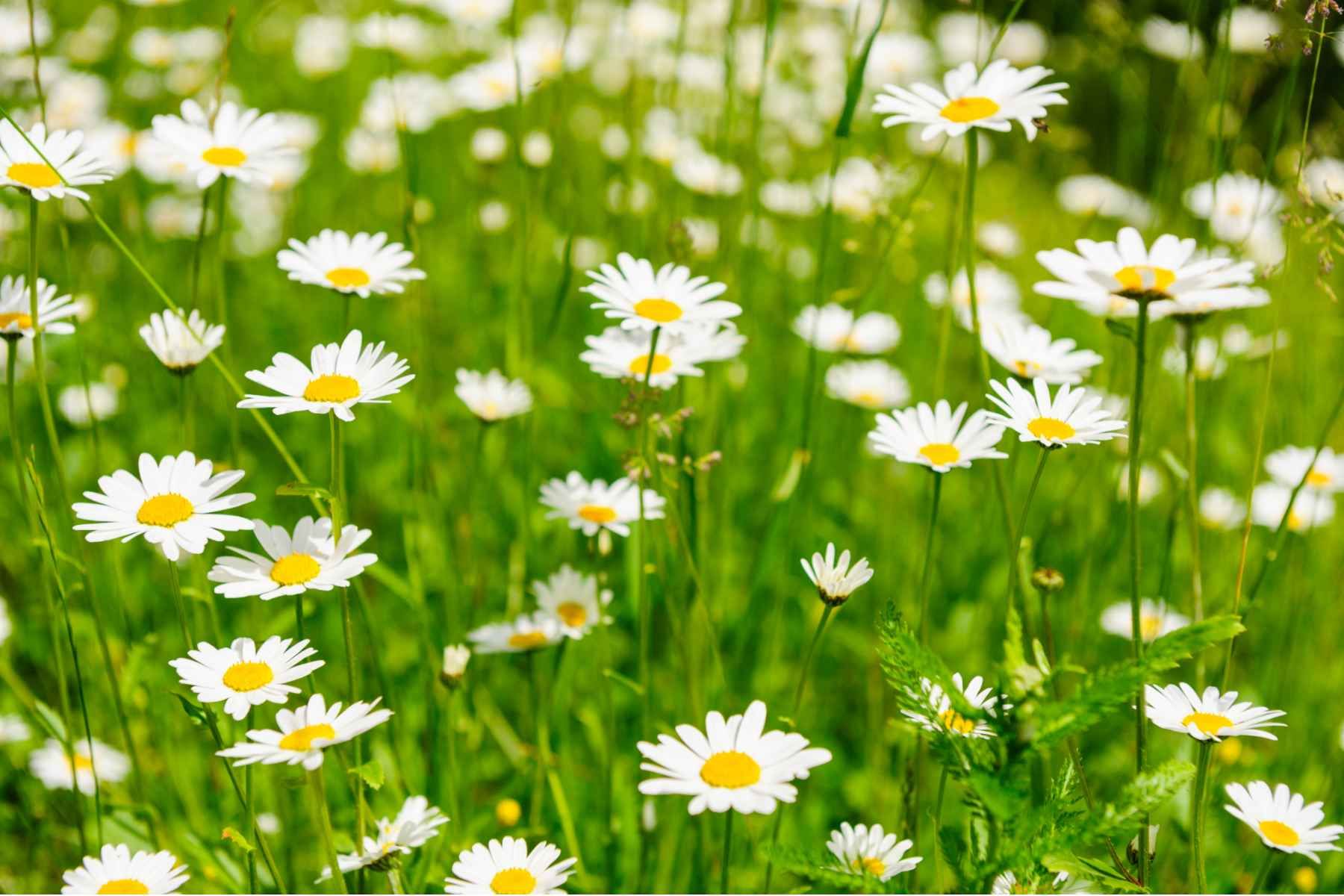
  • Daisies
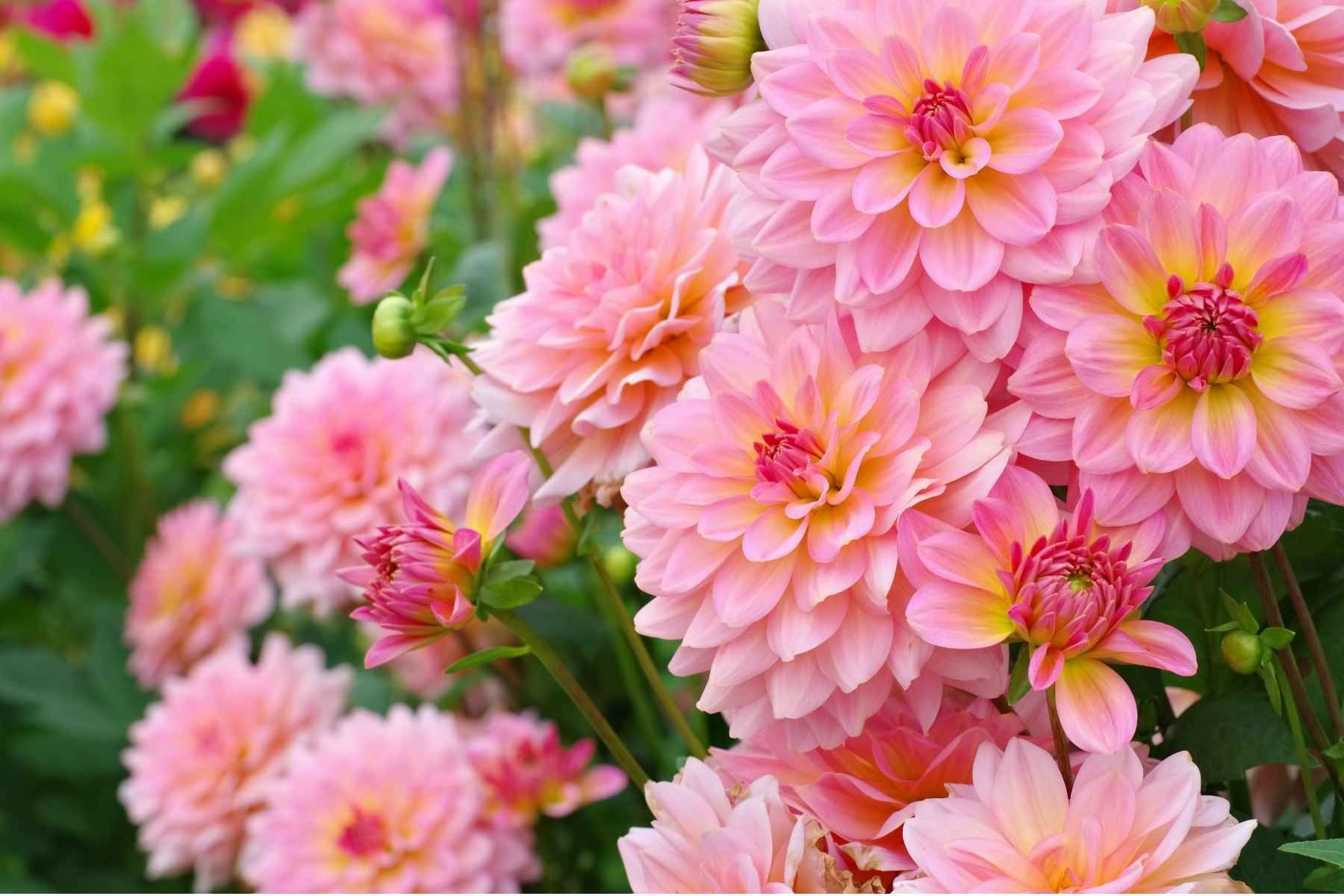
  • Dahlias
  • Zinnias
  • Tulips


Native Plants That Are Well Adapted to the Ontario Climate


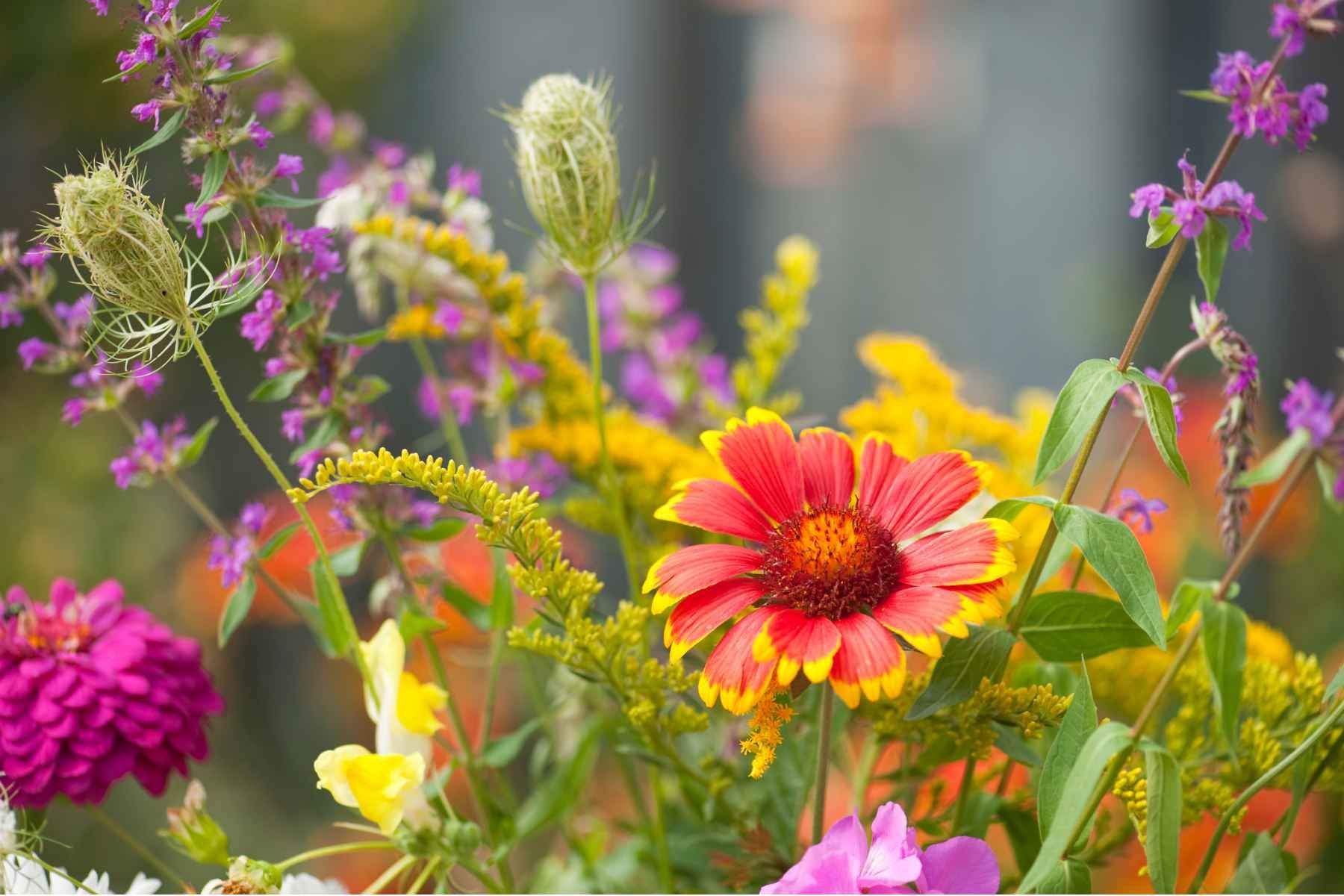
Plants that are native to Ontario are already well adapted to our climate, and should withstand the weather and thrive in the soils found here.  Adding these plants to your garden can create a beautiful landscape that is simple and easy to maintain. If you’re looking for a picturesque landscape for your residential or commercial property that doesn’t require a lot of muss or fuss then these plants are sure to do the trick:

  • Black Eyed Susan
  • Canada Anemone
  • Bee Balm
  • Butterfly Weed
  • Purple Coneflower


Landscaping and Garden Maintenance in Milton, ON


There are options if you’re interested in planting cold-hardy vegetables too!  After the snow has melted away and the ground has thawed out, veggies like Arugula, Card, Lettuce, Kale, and Onions do very well. 


Regardless of your landscaping or gardening needs,
Milton Landscaping Turfpros is here to help.  We are on hand to assist you with all of your questions, and help you create the garden of your dreams for either your residential or commercial property.  Unsure of whether the idea of a landscape artist is cost effective?  Contact us today for more information, we would be happy to provide you with a free consultation. 


At Milton Landscaping Turfpros, we can come out to your property, take a look at any of the trouble spots that you are worried about, and help you create a comprehensive plan that will get your yard and garden looking just the way you dreamed it would. 

You might also like

July 27, 2026
Protect Your Property with a Professionally Built Retaining Wall
February 12, 2026
Winter Yard Protection Tips for Milton Homeowners
April 1, 2024
With our picturesque landscapes and vibrant community, Milton is a city that takes pride in its green spaces. A lush, healthy lawn not only adds curb appeal to your home but also contributes to the overall beauty of your neighborhood and our city as a whole. To help you maintain a thriving lawn throughout the year, here are some seasonal care tips tailored specifically for Milton's climate and soil conditions. Spring: Preparing for Growth As the weather warms up and nature comes back to life, spring is the perfect time to kickstart your lawn care routine. Start by raking away any debris and thatch that may have accumulated over the winter months. Aeration is also beneficial during this time to alleviate soil compaction and promote better nutrient absorption. Once your lawn is prepped, it's time to overseed any bare or thin patches to encourage new growth and fill in gaps. Choose grass seed varieties that are well-suited to our climate, such as Kentucky bluegrass or perennial ryegrass. Fertilizing in the spring provides essential nutrients for grass growth and development. Look for a slow-release fertilizer with a balanced NPK ratio (nitrogen, phosphorus, and potassium) to promote steady, healthy growth without excessive flushes that can lead to mowing headaches. Summer: Hydration and Maintenance Summer can bring warm temperatures and occasional dry spells, making proper hydration essential for a thriving lawn. Deep, infrequent watering is preferable to frequent shallow watering as it encourages deep root growth and drought tolerance. Aim to water your lawn early in the morning to minimize evaporation and fungal diseases. Regular mowing is key to maintaining a healthy lawn during the summer months. Adjust your mower height to leave grass blades around 2.5 to 3 inches tall, which helps shade the soil, retain moisture, and prevent weed growth. Leave grass clippings on the lawn so that as they decompose they will return valuable nutrients to the soil. Keep an eye out for common summer lawn pests and diseases such as grubs, chinch bugs, and brown patch fungus. Early detection and intervention are crucial to preventing widespread damage to your lawn. Fall: Prep for Winter As temperatures begin to cool, it's time to prepare your lawn for the winter ahead. Continue regular mowing as needed, gradually lowering the mower height to around 2 inches for the final cut of the season. This helps prevent matting and snow mold during the winter months. Fall is also an ideal time for core aeration and overseeding to repair any damage accumulated over the summer and encourage strong root growth before winter sets in. Apply a fall fertilizer high in potassium to promote root development and winter hardiness. Winter: Minimal Maintenance While winter may bring snow and cold temperatures, there are still some maintenance tasks you can do to ensure your lawn's health come spring. Avoid walking on frozen grass to prevent compaction, and promptly remove any snow or ice buildup to prevent suffocation and disease. By following these seasonal lawn care tips, you can enjoy a lush, healthy lawn year-round that enhances the beauty of your home and contributes to the overall greenery of our city. Don't forget to reach out to your local lawn care experts with any questions you might have or to get a helping hand with any of these seasonal lawn care tasks. Happy lawn tending!

Get a free quote!

Contact Us